By John Sayers
November 2, 2026
Hardscaping projects can transform outdoor areas by adding structure, improving accessibility, and creating spaces for relaxation and entertainment. Patios, walkways, retaining walls, and other permanent features can make a property more functional while complementing its natural surroundings. However, successful results depend on careful planning, suitable materials, and proper construction techniques. Working with experienced hardscaping contractors can help property owners navigate these considerations and understand what happens throughout the installation process. From evaluating the landscape to preparing the site and completing construction, professionals handle responsibilities that influence the finished project's appearance and durability. Knowing what to expect before work begins can help homeowners communicate their preferences, establish realistic expectations, and make informed decisions about their outdoor improvements.
Evaluating Your Property and Project Goals
The process typically begins with a consultation to understand the homeowner's objectives and evaluate existing conditions. Contractors may discuss how the outdoor space will be used, which features are desired, and whether accessibility or privacy is a priority. A family interested in entertaining may want a spacious patio, while another homeowner may need walkways that connect different parts of the property. Establishing these goals helps guide decisions about layout and construction.
During the evaluation, hardscaping contractors may examine slopes, drainage patterns, soil conditions, and existing landscape features. Trees, utility connections, structures, and property boundaries can influence where improvements are placed. Professionals may also identify potential challenges involving grading or access for construction equipment. This initial assessment helps determine whether the proposed design is practical and what adjustments may be necessary before installation begins.
Developing a Functional Hardscape Design
Once the property's needs are understood, the next step involves developing a layout that supports everyday use. Contractors consider the relationship between patios, walkways, retaining walls, planting beds, and existing structures. A well-planned design should provide comfortable movement between areas without creating unnecessary obstacles. The arrangement may also account for furniture placement, outdoor activities, and future landscape improvements.
Experienced professionals can explain how dimensions, elevations, and material transitions influence the finished space. They may recommend adjusting a patio's size, changing walkway placement, or incorporating steps where elevation differences exist. Homeowners should expect opportunities to discuss preferences and review proposed details before construction. Clear design decisions help reduce misunderstandings and establish a shared understanding of the project's intended appearance and function.
Selecting Appropriate Construction Materials
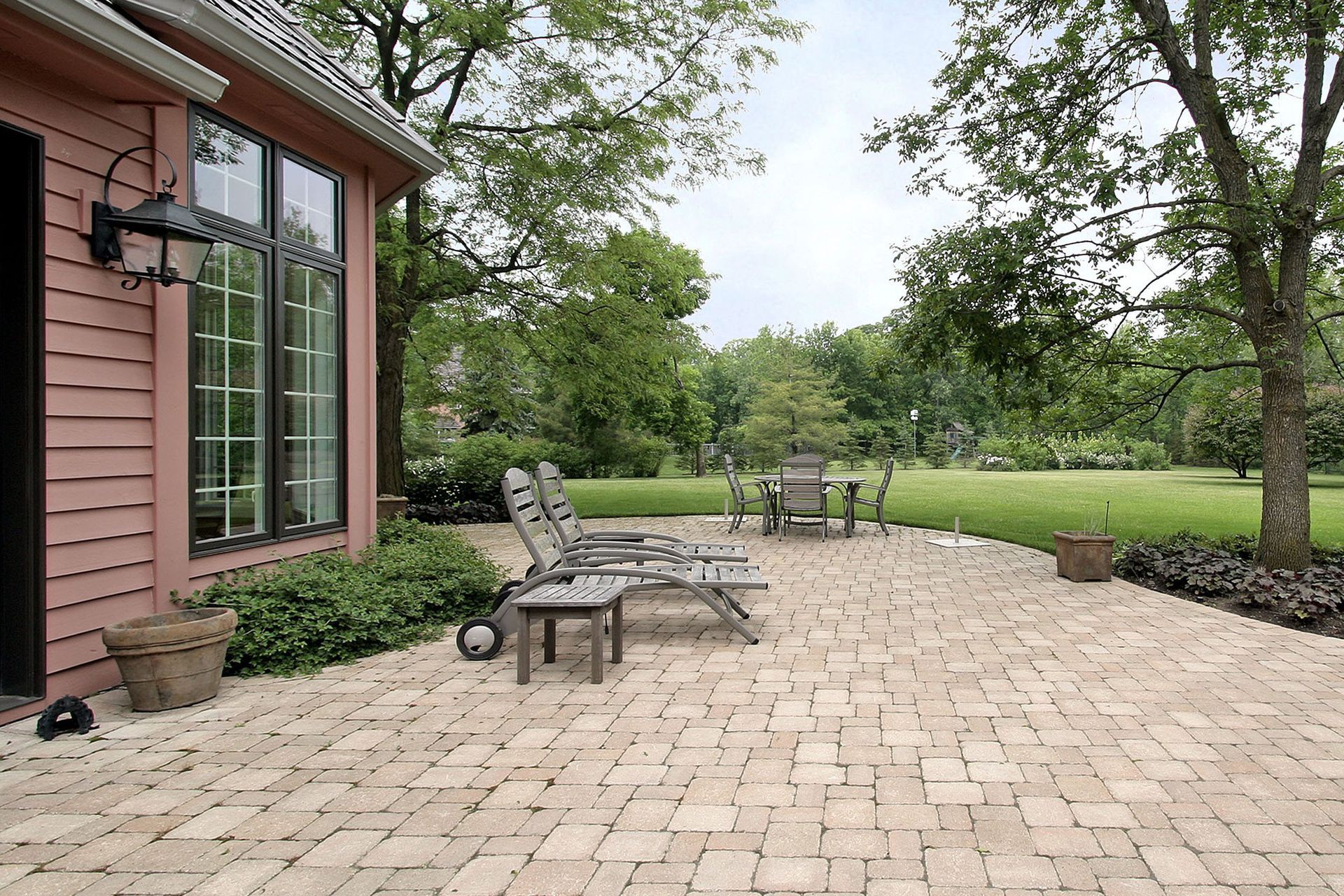
Hardscaping materials differ in appearance, durability, maintenance requirements, and installation methods. Common options include concrete pavers, natural stone, brick, gravel, and poured concrete. Each material offers characteristics that may suit particular applications. For example, interlocking pavers provide design flexibility, while natural stone creates variations in texture and color. Material selection should reflect the property's style, intended use, climate, and available budget.
Professional hardscaping contractors can explain how different products respond to foot traffic, moisture, temperature changes, and routine maintenance. They may also discuss surface texture, slip resistance, and the importance of choosing materials appropriate for the intended installation. Comparing samples can help homeowners understand color variations and finishing options. Selecting materials before construction begins also allows time to confirm availability and coordinate deliveries with the project schedule.
Preparing the Site for Construction
Proper site preparation is essential for creating durable outdoor features. Before installation, contractors may remove vegetation, existing pavement, debris, or unsuitable soil. Excavation depths depend on the planned structure, material requirements, and ground conditions. Workers may also establish reference points and elevations to guide construction. These preliminary steps create a foundation for accurate installation and help address potential obstacles beneath the surface.
Preparation often includes grading and installing a suitable compacted base. The required materials and depth vary according to the application and manufacturer recommendations. Patios, walkways, and retaining walls may have different structural requirements. Contractors should also consider how equipment and material deliveries will affect access to the property. Homeowners can ask which areas need to remain clear and whether temporary disruptions to outdoor activities should be expected.
Managing Drainage and Structural Stability
Drainage is an important consideration because outdoor improvements can change how water moves across a property. Improper grading may direct runoff toward foundations, create standing water, or contribute to erosion. Contractors should evaluate existing drainage patterns before constructing patios, walkways, and retaining walls. Depending on the project, solutions may involve adjusting slopes, installing drainage components, or incorporating permeable materials where appropriate.
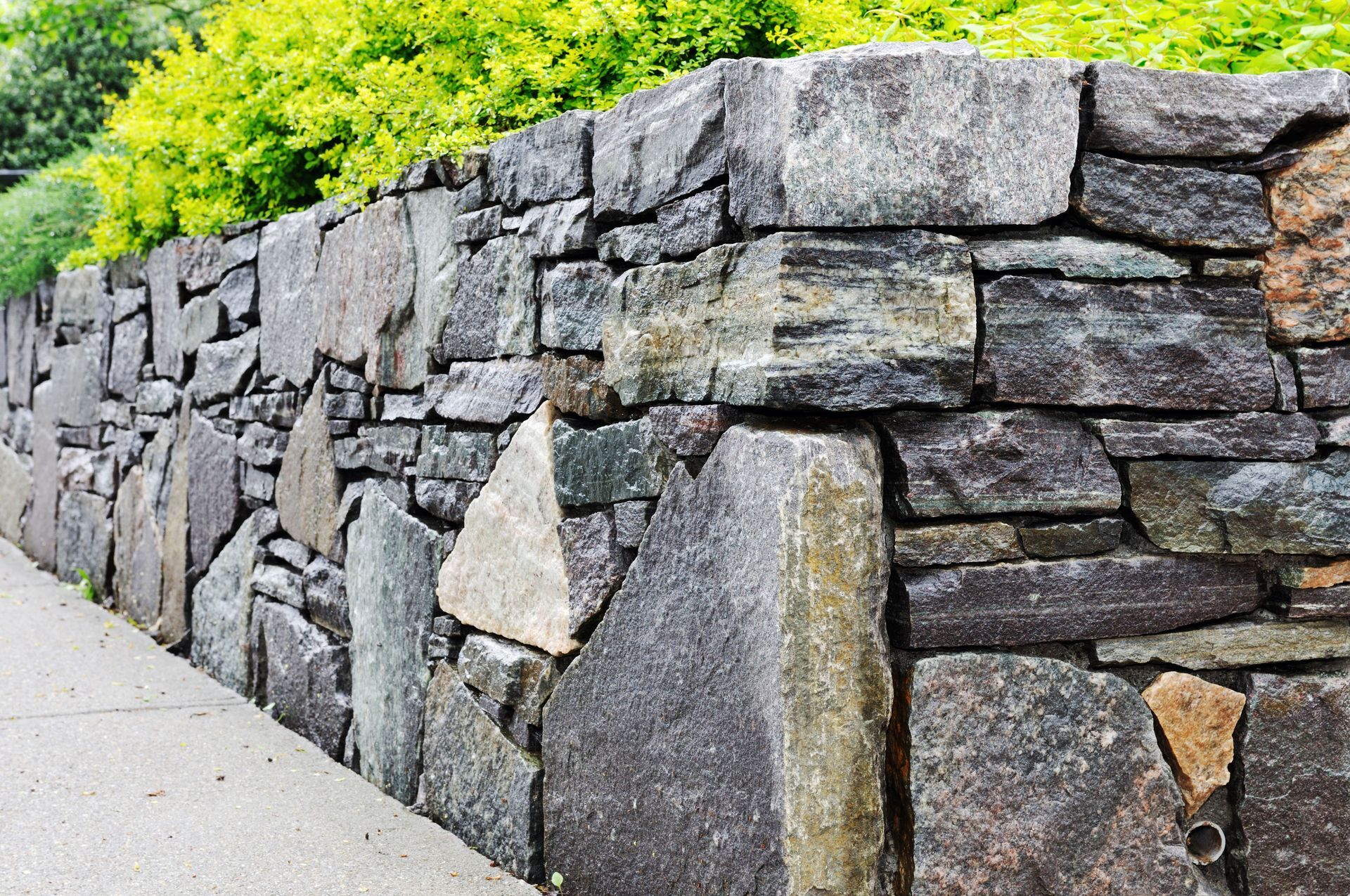
Structural stability also requires careful attention, particularly when retaining walls support significant amounts of soil. Professional hardscaping contractors should account for soil pressure, water accumulation, and the intended wall height. Some projects may require engineering guidance, permits, or additional reinforcement. Addressing these considerations during planning and construction helps reduce the likelihood of shifting materials, drainage problems, and premature deterioration after installation.
Coordinating Scheduling and Project Communication
Homeowners should expect contractors to explain the anticipated construction schedule and important project milestones. Timelines depend on project size, site accessibility, weather conditions, material availability, and the complexity of the installation. Smaller walkways may require less time than projects involving multiple patios, extensive excavation, or retaining walls. Understanding these differences helps homeowners establish realistic expectations and prepare for temporary disruptions.
Consistent communication is equally important throughout construction. According to the U.S. Bureau of Labor Statistics, grounds maintenance occupations are expected to have approximately 162,500 job openings per year from 2025 through 2035. Although grounds maintenance and hardscaping construction involve different responsibilities, understanding the qualifications of the professionals performing outdoor work remains important. Homeowners should discuss project supervision, scheduling updates, and how unexpected conditions or proposed changes will be communicated and approved.
Completing Installation With Attention to Detail
During construction, workers install materials according to the approved design and applicable requirements. For paved surfaces, this may involve preparing bedding layers, positioning individual units, cutting materials around edges, and securing borders. Retaining wall construction can require additional steps involving base preparation, drainage, and reinforcement. Accurate measurements and careful alignment help produce consistent surfaces and transitions between outdoor features.
Experienced hardscaping contractors should monitor installation quality as work progresses. They may check surface elevations, joint spacing, compaction, and drainage performance at appropriate stages. Attention to these details helps prevent uneven surfaces and premature movement. Homeowners should expect construction areas to remain restricted while work is underway. Asking questions about unexpected changes can help ensure that the finished installation reflects the agreed-upon design.
Reviewing Completed Work and Maintenance Needs
After construction, contractors typically remove excess materials, clean the work area, and review the completed installation. Homeowners should examine visible surfaces, transitions, edges, and drainage features to confirm that the project matches their expectations. Any concerns about workmanship or incomplete details should be discussed before the final review concludes. This provides an opportunity to clarify responsibilities and address outstanding questions.
Professionals may also explain maintenance practices appropriate for the installed materials. Recommendations can include routine cleaning, weed removal, joint maintenance, and periodic inspections for settling or drainage problems. Certain surfaces may benefit from sealing, depending on material specifications and homeowner preferences. Understanding maintenance responsibilities helps property owners preserve the appearance and functionality of their improvements while recognizing when additional professional attention may be necessary.
Working with experienced hardscaping contractors involves more than selecting materials and scheduling construction. Property evaluations, thoughtful designs, appropriate site preparation, and careful installation all contribute to outdoor features that serve their intended purpose. Homeowners should expect clear communication about project timelines, drainage considerations, construction procedures, and maintenance requirements. Reviewing completed work and understanding recommended upkeep can also help protect the investment over time. Because every property presents different conditions, professional guidance is valuable when planning improvements that must balance appearance, accessibility, and structural performance. Whether you are considering a new patio, walkway, retaining wall, or another outdoor feature, understanding the construction process can help you approach the project with confidence. For professional hardscaping services and assistance planning your next outdoor improvement, contact JFS 4 Enterprises today.